All About Bichon Frise Dogs

  • HOME
  • Puppies
    • Bichon Frise Puppies
      • Selecting a Dog
      • Choosing a Breed
      • Adoptions
      • New Puppy
      • New Puppy Checklist
      • Crying at Night
      • Puppy Food Bowls
    • Puppy Care
      • Puppy Diet
      • Feeding Schedule
      • Teething
      • Puppy Vomiting
      • Puppy Worms
      • Neutering
      • Distemper
      • Vaccinations
    • Puppy Training
      • House Training
        • Crate Training a Puppy
        • Metal Dog Crates
        • Paper Training
      • Leash Training
      • Puppy Grooming
      • Socialization
      • Sit Command
      • Puppy Training Games
      • Stop Puppy Biting
      • Poop Eating
  • Adults
    • Holistic Dog Care
      • Healthy Diet
        • Best Quality Food
        • Gourmet Dog Treats
        • BARF Diet
    • Pregnancy
    • Dog Fun
      • Kong Dog Toys
      • Indestructible Dog Toys
      • Stuffed Dog Toys
      • Birthday Party
      • Halloween Party
      • Bichon Buzz
  • Seniors
    • Dog Age?
    • Aging Dogs
      • Dementia
      • Separation Anxiety
      • Hearing Loss
      • Blindness
        • Blind Dog Accessories
        • Blind Dog Care
        • Cataracts
    • Senior Dog Food
    • Senior Health
      • Rheumatoid Arthritis
      • Osteoarthritis
        • Arthritis Aids
        • Arthritis Treatment
        • Arthritis Symptoms
      • Dog Cancer
        • Skin Cancer
      • Incontinence
        • Incontinence Products
        • Urine Stains
  • Grooming
    • Tear Stains
    • Bath Time
      • Hypoallergenic Shampoo
    • Eye Care
    • Brushing Teeth
      • Dental Chews
    • Dog Nails
    • Dog Dandruff
    • Hair Cut
  • Health Issues
    • Common Health Problems
      • Conjunctivitis
      • Ear Infections
      • Dog Flu
      • Lameness
      • Luxating Patella
      • Pain Relief
      • Seasonal Allergies
      • Food Allergies
      • Skin Allergies
    • Digestive Disorders
      • Pancreatitis
      • Food Allergies
      • Constipation
      • Vomiting
    • Emergencies
      • Dog Ate Chocolate
      • Heat Stroke
      • Salmonella Poisoning
    • Hormone Disorders
      • Addison’s Disease
      • Cushing’s Disease
      • Diabetes
      • Hypothyroidism
    • Urinary Tract
      • Bladder Stones
      • Kidney Disease
      • Urinary Tract Infection
  • Training
    • Agility Training
    • Alpha Dog Training
    • Obedience Training
    • Best Dog Training Treat
    • Behavior Problems
      • Aggressive to Dogs
      • Aggressive to People
      • Eating Poop
      • Dog Barking
      • Separation Anxiety
      • Submissive Urination
  • Bichon Breed
    • Bichon Frise Dogs
    • Hyperallergenic
    • Temperament
    • Personalities
  • Shops
    • Dog Crate Furniture
    • Bicycle Dog Carriers
    • Small Dog Carriers
    • Mugs
    • Mousepads
    • Jewelry
You are here: Home / Bichon Frise Dogs / Bichon Frise Dog Personalities

Bichon Frise Dog Personalities

Bichon Frise dog personalities, while they can differ widely, start to show themselves at a very young age. Even very young Bichon Frise puppies will give you hints about who they will become.

The temperament of your dog comes from her genes and heredity, her breeding and from the way you train her.

But, to really understand how Bichon Frise personalities have developed, you have to consider the big picture of dog history and dog ancestry.

Wolves and Dogs

Even though your Bichon Frise (or French Bulldog or Yorkshire Terrier) doesn’t look anything like a wolf, most dogs are believed to be descendants of wolves.

Even the gentle Bichon Frise dog has wolf ancestors.

Your dog behaves and experiences his world-largely because of the dogs (and wolves) that came before him.

In addition to having common characteristics with other dogs and wolves, every canine has its own personality. Just like every person has their own personality.

Your dog may vary quite a bit from the other Bichon Frises that you know. So choosing a dog compatible with you and your family is important. It is key to knowing how you will get along with each other.

Bichon Frise Dog Personalities in Puppies

Bichon Frise Dog Personalities

Bichon Frises, and dogs of all kinds for that matter, are creatures of instinct! And Bichon Frise dog personalities have many of the characteristics of their ancestors, like:

  • pack mentality
  • rituals like growling and showing teeth
  • hunting (everything from insects to small animals)
  • marking one’s territory
  • some are dominant (leaders) while others are passive

If you take time to understand life from your dog’s perspective, you will be much more successful at training and living with your pet.

Bichons tend to be outgoing and friendly. They are sociable with you and others. And, if you have children, Bichons are great family pets, gentle and affectionate.

Choosing a Puppy Based on Personality

Bichon Frise dog personalities and temperaments are all different - just like people.

Well, not exactly like people. But, my point is that, like people, dogs are very different from each other. And you can actually tell this when they are just little puppies.

If you observe a group of Bichon puppies together, you will be able to pick out the dominant and the submissive puppies.

If you watch them even longer, you will see which ones are easy going and which ones are more aggressive.

Depending on the litter, you may even be able to tell if there is a puppy that will eventually have mental health problems, like canine depression or dog anxiety!

Good and Bad Characteristics

Here are some characteristics that you may observe:

  • Alpha dog – the leader of the Pack
  • Submissive dogs - followers
  • Aggressive dogs – dogs that will pick a fight with other dogs and may attack a person (not common for Bichons)
  • Nervous or anxious dogs – afraid of everything and everyone. These dogs will be especially prone to separation anxiety. And they would not be good for children.
  • A future family watch-dog – friendly and loyal to his family. Quick to put strangers in their place!
  • Playful fun-loving dogs – dogs that love to be with their people.

Dog Communication

Dogs communicate in a number of ways. And every dog finds his own way to communicate with you. However, dogs with different personalities will communicate differently with you.

  • Body Language - Your dog may use her paw to tell you that she wants something. Or tilt her head and look at you. Bichons learn how to get your attention, when they need it. If you have been petting your dog and stop, he may bump your hand with his head, to get the petting started again.
  • Speaking - While a dog that actually speaks “words” is a rarity, dogs do speak to us. A more assertive or aggressive dog may bark when she needs something. A dog with a more passive personality might whine. For some dogs, speaking actually resembles human talking. And a dog who really wants something can become quite persuasive! Your dog will have different “speaking voices or tones”, depending on what he wants to tell you.
  • Behavior - This is yet another way that your dog may communicate. If she needs to go out to pee, she may go to sit next to the door. Or she may come and sit beside you and look at you. Did you know that you can even teach your dog to ring a bell (hung on the door knob) when she needs to go out? It’s all a matter of training! But the method of communication is behavior!

While the temperament of your dog certainly does influence your relationship with your pet, it does not explain everything. Some things just don’t change.

Dogs are born with certain instincts. They are not human, and so in order to understand our dogs, we must understand how they perceive their world.

However, knowing your dog’s temperament will help you understand her and understand why she reacts the way she does-to noises, new situations, people and other dogs.
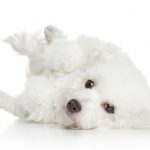
Bichon Frise puppy lying on his back

If you found this article helpful,

please take a few seconds to share it with a friend…

Subscribe to Bichon Buzz for Free Updates

Thinking about Signing Up?

If you sign up for my newsletter, in addition to giving you updates about my website, I may notify you occasionally about special deals and bargains that I think you’ll love.

You can be confident that I will never share your information with a third party.

If your circumstances change, I understand. You can always unsubscribe and your information will be deleted.

Need Help with Bichon Training?

Act Now to Get Help…

Claim your FREE mini-course on Bichon Frises now…

WHAT’S NEW?

Bichon Frise Puppies

How can you tell if your puppy has distemper?

Is Dog Neutering Right for Your Dog?

How to Handle Puppy Teething

Why is Your Puppy Vomiting?

Old Bichon Frise Dogs

Canine Skin Cancer in Bichon Frises

Does your Bichon have pancreatitis?

Cataracts in Bichon Frise Dogs

Canine Kidney Disease or Kidney Failure - How it Affects You and Your Dog

Could Your Dog Have Dementia?

All Bichon Frise Dogs

Dog Flu Symptoms - Should You Worry?

Your Bichon Dog Ate Chocolate - What Should You Do?

Does your Bichon have a canine urinary tract infection?

Rid Your Bichon Frise dog of Unsightly Dandruff

Is Your Bichon Suffering from Canine Constipation?


HeartGard Plus is undeniably the most popular medication specifically meant for prevention of heartworms in dogs. It is very important that you do all you can to ensure that your dog is free of heartworm, shop now!

There may be links in this post that are “affiliate links.” This means if you click on the link and purchase the item, I may receive an affiliate commission, which does not affect the price you pay for the product. Regardless, I only recommend products or services that I use personally or believe to be the best value for my readers.

  • About Me
  • Privacy Policy
  • Advertising Disclosure
  • Disclaimer
  • Contact Us

© 2008–2021 All-About Bichon-Frises.com All Rights Reserved